
World Glaucoma Week
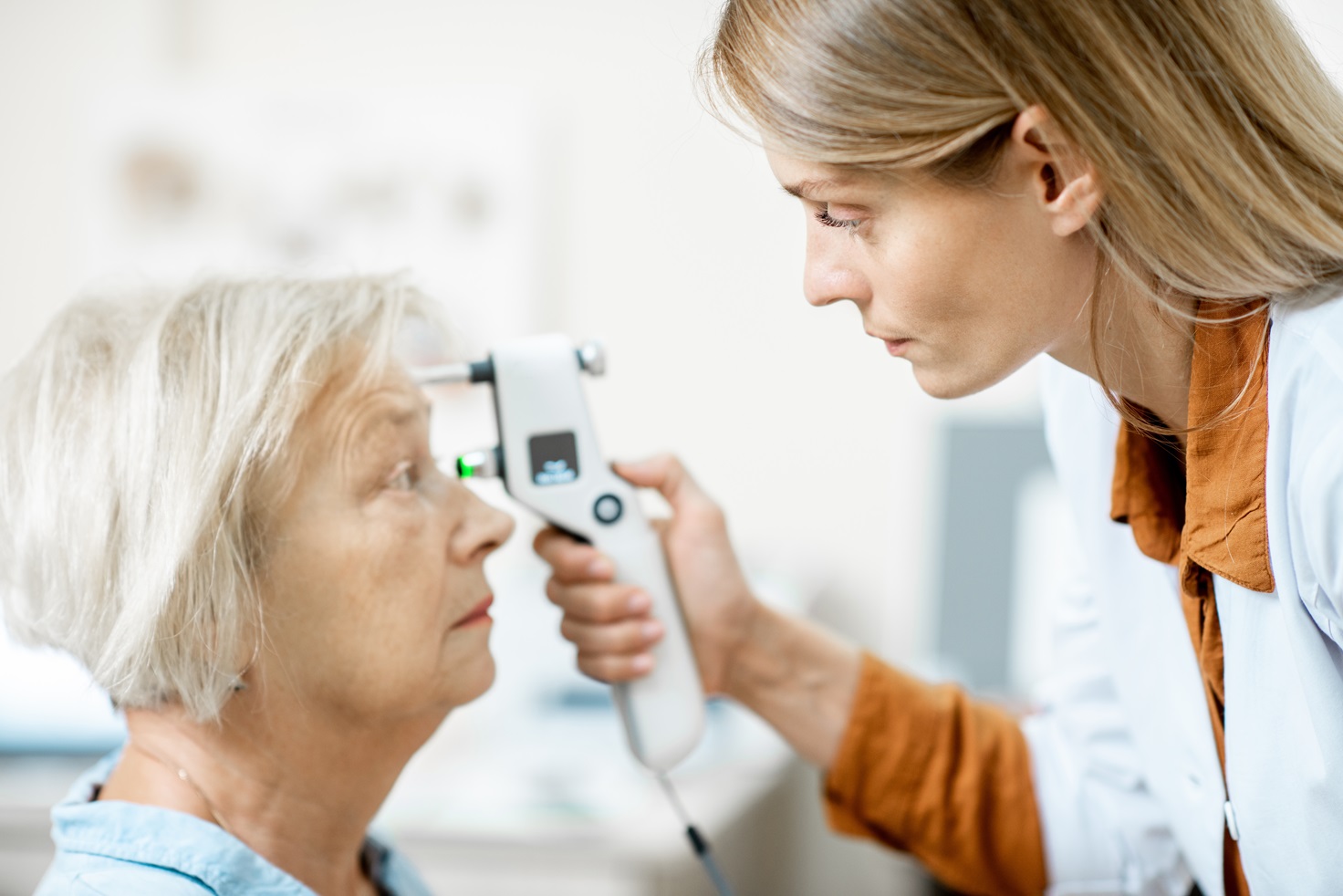
World Glaucoma Week is from March 10-16, 2024. Over 300,000 Australians have glaucoma yet 50% are unaware that they have it.
Glaucoma refers to a group of eye diseases which damage the optic nerve. The optic nerve carries visual signals to the brain and glaucoma can cause irreversible loss of sight. The process is usually gradual but significant loss of peripheral vision can occur before the person is aware. Peripheral vision is your vision at the edges of what you see.
Symptoms
Most commonly, glaucoma is caused by a raised pressure inside the eye. Ninety percent of cases in Australia are Primary Open-Angle glaucoma, which has no obvious symptoms in its early stages. The other less common type, Acute Angle-Closure glaucoma occurs suddenly, with symptoms of eye pain, headache, nausea and vomiting. This type of glaucoma is an emergency requiring immediate treatment.
Risk factors for glaucoma
- Increasing age (50+)
- Family history of glaucoma
- Diabetes
- High blood pressure
- Cataracts and high eye pressures
- Ethnicity and cultural background (African and Asian).
Prevention, management and treatment
Whilst there is no cure and vision loss cannot be returned, early detection and treatment can prevent damage to the optic nerve and further loss of sight. People over 50 should have an eye check with an optometrist or ophthalmologist every two years (and people of African/Asian descent every two years from the age of 40).
Most people can manage glaucoma with eye drops, surgery or laser eye treatment. In some cases, all three methods are required. Treatments aim to lower the pressure inside the eye, allowing normal function of the optic nerve cells. Whilst treatments help to manage the damage and prevent any further loss of sight, they cannot restore vision already lost, so early detection is the key.
If you have any of the risk factors described above, organise a check-up with your optometrist or discuss with your GP.

Explore Our Recent Posts
Stay informed with our latest insights and updates.

Supporting Teen Health: From Screen Time to Sports Safety

Check up with Bulli Travel Medical Alliance Clinic