
Managing Bites and Stings this Summer
The management of stings and bites has changed with improved understanding of how toxins work and are delivered to our bodies.
Ticks
Tick bites are a particular problem for families living close to the Escarpment bushland. Avoid tick bites by wearing long sleeved shirts tucked into long jeans and a broad-brimmed hat. Use insect repellent (ideally one containing DEET) before gardening or bushwalking. Check for ticks on return. If you find a tick, avoid scratching or pulling at it as irritation causes the tick to increase the amount of toxin they inject into your skin.
The best way to kill a tick is using a freeze spray containing ether available at pharmacies or your GP can use a liquid nitrogen spray. Otherwise, try killing the tick with a permethrin cream (Lyclear). Do not put kerosene or methylated spirits on ticks as this may increase the toxin they inject.
Reactions to tick bites can vary. Some people get a slight redness and itching, others have significant tenderness and swelling. Manage with cold-packs and non-sedating antihistamines. Some people develop severe allergies which need emergency treatment with adrenalin. See your doctor if you have concerns or if you’re worried about developing Mammalian Meat Allergy which is an unusual consequence of tick bites.

Photograph of a Tick by John Tann from Sydney, Australia,
Bees
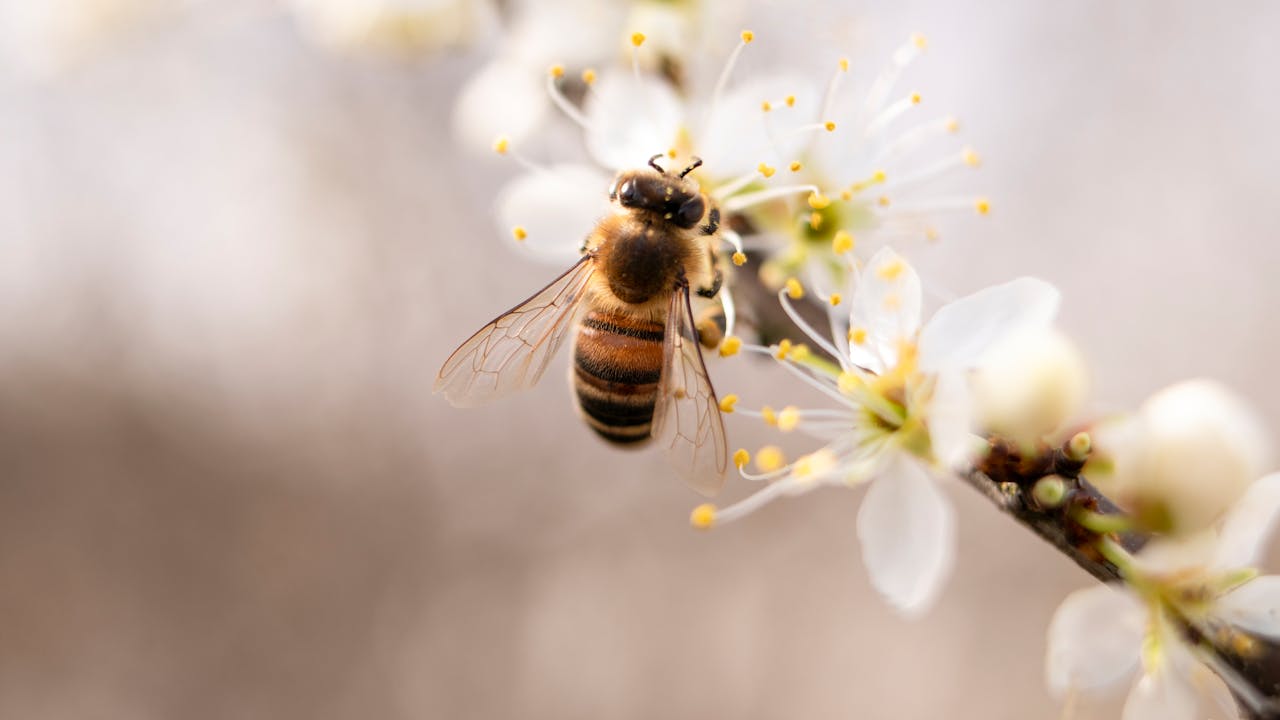
Bee stings can happen any time of year but are more common in later summer as worker bees are more active. Reactions to bee stings can vary from a painful local swelling to life threatening anaphylaxis requiring emergency adrenaline.
Remove the sting as soon as possible. Slide the sting sideways using a credit card, fingernail or carefully angled knife blade. Apply a cold-pack, take a non-sedating antihistamine for the inflammation and paracetamol for the pain. If you are worried about a more severe reaction, see your GP to develop an emergency response management plan.
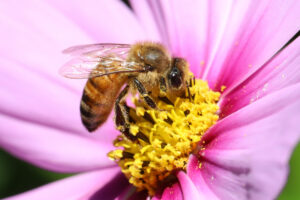
Photograph of a European Honey Bee (Apis mellifera) .
Bluebottles
Bluebottles are common on the east coast of Australia in summer, particularly on beaches with a north-easterly exposure. Strong north-easterly winds blow the bluebottles close to the shore. Stings are very painful and while there have been no deaths attributed to bluebottle stings, some individuals have more severe reactions with abdominal pain and nausea.
Management includes removing the sting (if still wrapped around the skin) using tweezers or a stick, fingernails, or the thicker part of the skin on your fingertips. Initially wash the sting site with salt water (fresh water is thought to increase the toxins discharged into the skin). Then apply hot water – as hot as possible but always check the temperature to prevent burns. Do not rub or scratch the site and do not apply vinegar as this can increase the toxin discharge.
Book with Dr Jeffrey Hall

Explore Our Recent Posts
Stay informed with our latest insights and updates.

Supporting Teen Health: From Screen Time to Sports Safety

Check up with Bulli Travel Medical Alliance Clinic